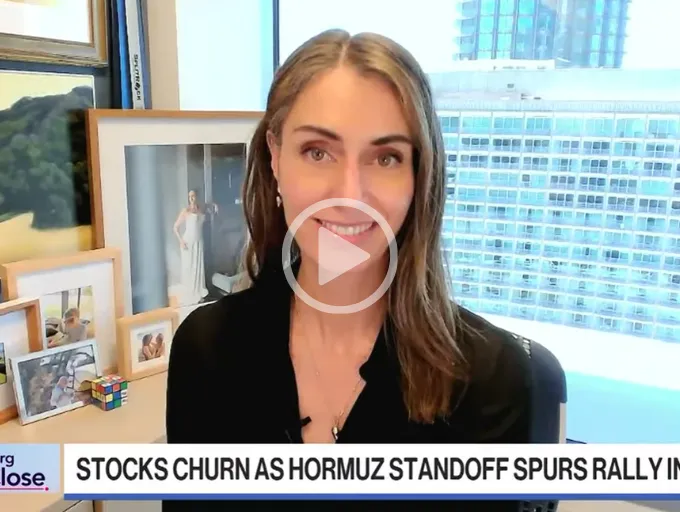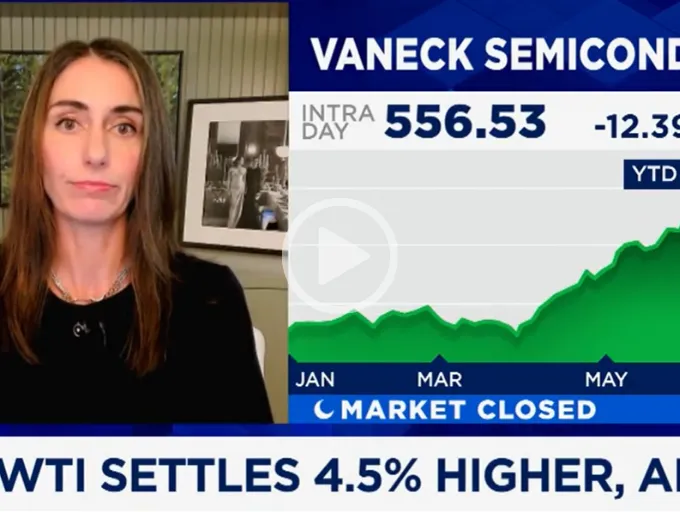
Watch the Video: Julie Biel on Fed Policy, Market Optimism, and What Investors Should Watch Next
This interview with Julie Biel, CFA, was recorded on 9/16/2025. Julie’s segment begins at the 36:52 minute-mark.
In this video, Julie Biel shares insights on:
- How Fed policy expectations, political pressure, and inflation risks influence market sentiment
- Why rising enthusiasm around AI and capital investment is lifting valuations—but not without uncertainty
- What investors should watch as tariffs, wages, and long-term growth drivers shape the next market phase
While markets frequently fixate on Federal Reserve decisions, investors should understand that monetary policy is only one piece of a much larger puzzle. In this discussion, Julie Biel explores how political pressure, inflation risks, tariffs, and enthusiasm around artificial intelligence are shaping today’s investment landscape — and what these forces may signal for long-term portfolio strategy.
Tariffs and the Hidden Path to Inflation
Tariffs rarely hit the economy all at once. Instead, they often create a gradual “drip effect,” making their inflationary impact harder for investors to model.
Julie notes that many companies may initially absorb higher costs, particularly if they built inventory ahead of price increases. The more important question is what happens next—specifically, whether rising costs begin to pressure wages and corporate margins.
Market Enthusiasm Is Rising — Along With Valuations
Excitement around capital investment and artificial intelligence has helped lift equities, pushing valuations higher whether fully justified or not. Optimism alone can be enough to propel markets in the near term, but it also raises the bar for future performance.
For disciplined investors, this environment reinforces the importance of selectivity.
AI May Drive the Next Growth Cycle — But Visibility Is Limited
Artificial intelligence remains one of the market’s most compelling long-term themes. However, Julie emphasizes that the next leg of growth may depend heavily on whether AI delivers on its promise—something that is not yet fully clear.
Periods of technological transition often create both opportunity and uncertainty, making patience a strategic advantage.
Look Beyond the Headlines
Markets will continue to react to policy expectations, geopolitical developments, and emerging technologies. But we believe strong investment outcomes typically come from staying focused on fundamentals, managing risk, and maintaining a long-term perspective — even when enthusiasm runs high.
For more information, contact Kayne Anderson Rudnick today.