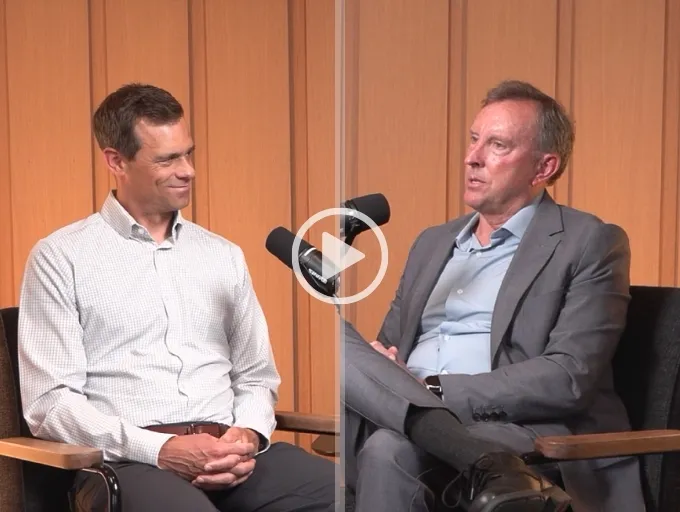
Julie Biel, CFA, Chief Market Strategist, joins Bloomberg TV’s Surveillance to discuss the late‑week shift in market pricing and what it reveals about growth expectations, oil’s role in inflation, and investor sentiment beneath the surface.
Oil Prices and the Growth Trade‑Off
Julie points to persistent damage to energy infrastructure as a key reason investors are beginning to accept that higher oil prices may last longer than expected. While elevated energy costs can eventually limit inflation through demand destruction, the path there is economically painful—particularly if household spending power is steadily eroded by fuel and supply‑chain costs.
Why the Fed Is Likely to Stay Put—for Now
With economic data distorted by revisions, shutdown effects, and one‑off adjustments, Julie emphasizes how difficult it is for policymakers to draw clear conclusions. In that environment, the risk of acting too early—either by cutting or tightening—remains high.
Anxiety Without Capitulation in Risk Assets
Despite visible stress in physical oil markets, Julie notes that sentiment in U.S. risk assets remains constrained by a powerful counterforce: the pain of missing out (POMO) on sharp reversals.
Why Recognition May Take Time
The opacity of current geopolitical conditions adds another layer of uncertainty, making it harder for investors and companies to assess duration, severity, and the feasibility of adapting supply chains when core inputs like oil, fertilizer, and natural gas are involved.
Watch the full video to hear Julie Biel’s complete perspective.