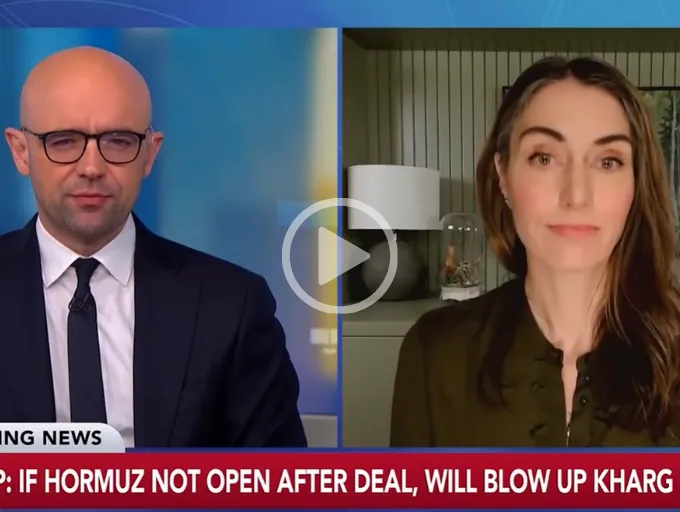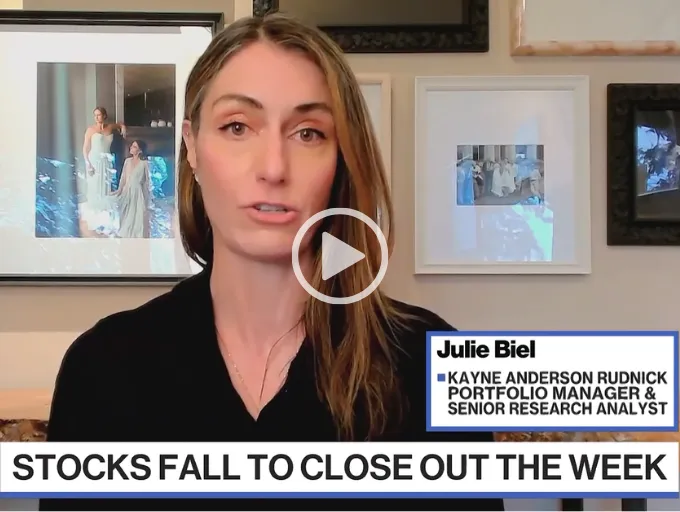
Julie Biel, CFA, Chief Market Strategist, joined CNBC’s Closing Bell to discuss the growing divergence within small‑cap equities, the impact of global uncertainty on corporate investment decisions, and why fundamentals are likely to reassert themselves after a speculative rally. Drawing on her perspective from the small‑cap universe, Julie explains why selectivity matters more than ever for investors navigating uneven market leadership.
Global Uncertainty Clouds Investment Decisions
Julie notes that multinational exposure is making it increasingly difficult for large companies to forecast spending and commit to long‑term investments, particularly in emerging technologies like AI. Slower adoption trends in Europe and heightened geopolitical uncertainty—especially in the Middle East—add another layer of hesitation for global firms.
A Sharp Divide Inside Small‑Cap Markets
Within small caps, Julie highlights an unusually wide gap between high‑quality and low‑quality companies, measured simply by metrics like return on equity. Speculative areas such as biotech and quantum computing have led the rally as investors rotate toward cyclical risk following a small‑cap earnings recession.
Why Quality Is “On Sale”
While lower‑quality names have outperformed in the rebound, Julie emphasizes that this pattern is typical coming out of earnings downturns—and rarely durable. Over time, fundamentals and balance‑sheet strength tend to matter, creating an opportunity today for disciplined investors to buy quality small‑cap businesses at attractive valuations.
Energy Costs and the Limits of Pricing Power
Julie also points to energy shocks as a key challenge for small‑cap companies, many of which lack the pricing power to pass rising costs on to customers. This dynamic reinforces her view that passive exposure can unintentionally overweight lower‑quality, commodity‑like businesses, making active selectivity essential in the space.
Watch the full video to hear Julie Biel’s complete perspective.