5 Ways Wealth Advisors Navigate Market Volatility with Confidence
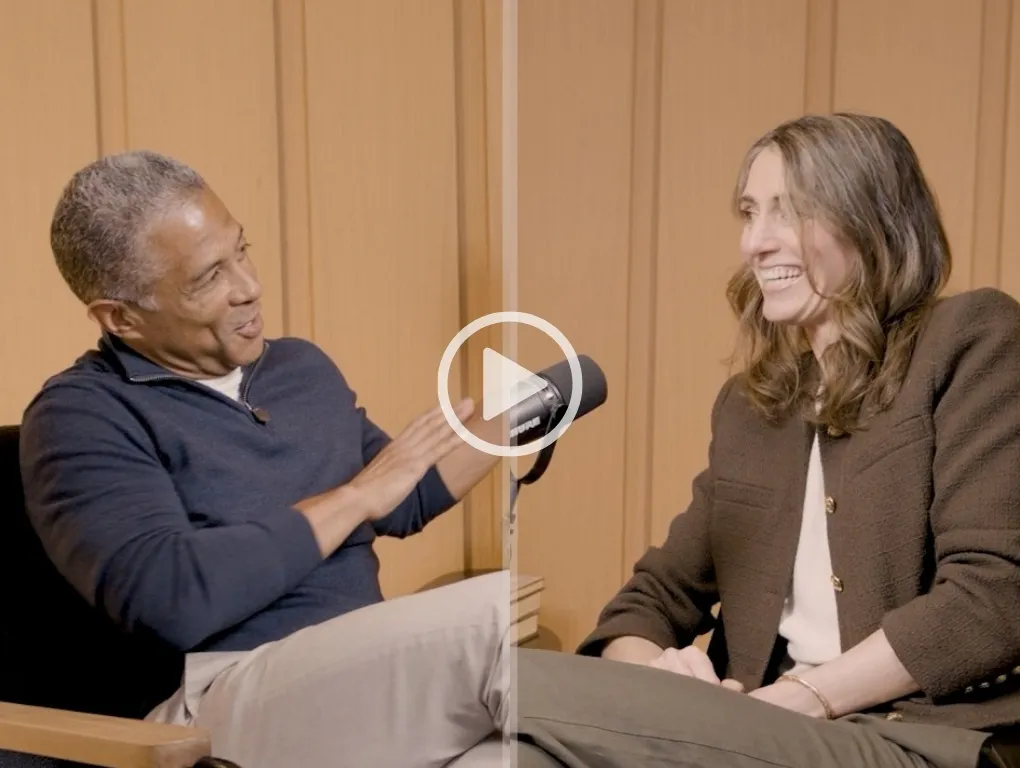
Market volatility can feel unsettling, but a disciplined investment strategy and thoughtful financial planning can help investors stay on track. In a recent contributed article, KAR Senior Wealth Advisor Darnel Bentz shared his insights on navigating market uncertainty.
Here are 5 takeaways you can use to manage risk and stay focused during market volatility.
1. Focus on Probabilities, Not Headlines
Markets can swing dramatically on short-term news, but reacting emotionally may negatively impact long-term outcomes. By framing events around probabilities instead of worst-case scenarios, investors can make decisions aligned with their investment strategy rather than chasing every headline.
2. Stress-Test Portfolios
Tools such as historical stress testing and Monte Carlo simulations can illustrate how an investment strategy may behave across a range of market conditions, including periods of economic decline and recovery. While these analyses cannot predict future results, they help investors better understand potential variability and the role of risk within a structured investment plan during periods of market volatility.
3. Manage Concentration Risk Thoughtfully
Significant gains in a single stock or sector may create hidden risk. Certain risk management techniques may be used in some circumstances to address concentration risk, including options-based strategies such as puts or collars, as well as diversification approaches like exchange funds. These tools are designed to help investors manage exposure to individual holdings while remaining aligned with a broader investment strategy, recognizing that each approach has limitations and may not be appropriate for all investors.
4. Balance Caution with Long-Term Perspective
Periods of market volatility often test investor discipline. Darnel shares that rebalancing portfolios as part of a long-term approach can help investors realign with target allocations during periods of market stress, rather than reacting to short-term market movements. Maintaining consistent savings and investing according to an established plan may help reduce the influence of emotion on decision-making.
Periods of economic uncertainty often encourage people to save more, moderate spending, and strengthen their balance sheets. Darnel believes this type of financial conservatism is healthy, provided savings continue to be invested in line with a long-term strategy rather than remaining sidelined due to elevated market fear.
5. Let Process, Not Emotion, Guide Decisions
In our view, the biggest threat to long-term wealth isn’t market volatility—it’s reaction. At KAR, we believe that a clear investment strategy, risk management plan, and a disciplined process empower investors to navigate uncertainty successfully, helping portfolios endure both ups and downs.
Want to ensure your investment strategy is designed with market volatility in mind? A KAR wealth advisor can help review your portfolio and discuss risk considerations and long-term planning approaches. Contact us today to start the conversation.
Read the Full Article
You can read Darnel Bentz’s full contributed article here:
Staying Disciplined When Markets Get Loud