In the News

Helping Client Separate Political Emotions from Investment Decisions

September 5, 2024InvestmentNews
Back

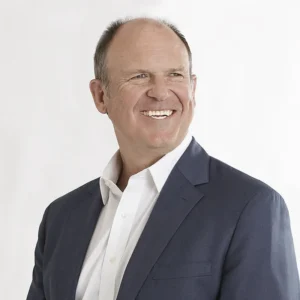
Spuds Powell, Managing Director, spoke with Investment News about how the current political climate might be influencing investors’ investment decisions. With strong opinions and political emotions running rampant, he says many investors may be inclined to make the mistake of applying some of those strong political sentiments and emotions on their investment judgment. “I’ve always felt that the most common mistake, and arguably the worst mistake investors can make, is letting their emotions influence their investment judgment.” Spuds notes that his priority as a wealth advisor is earning his clients trust so he can help them avoid making decisions that they might end up regretting.

While there are real concerns about how a particular candidate’s policies may affect specific sectors, it doesn’t pay to allocate portfolios based on what-ifs, as Spuds says there’s often “gridlock in Washington.”

“Right now, as an example, we have a Democratic president and a Democratic senate, but we have a Republican-led house. And if you have some balance in Washington, then you’ve got sort of the checks and balances that come with that,” he says.

Spuds encourages advisors to dissuade clients from the notion that their investments’ success is tied to the outcome of the election. “Facts can be a good way to ground people and provide a healthy perspective to offset some of their emotion-driven conclusions or predictions.”

Read the full article Here

Spuds also sat down with Barron’s and Citywire to further discuss the topic of investing in election years. Read his piece with Barron’s here and his interview with Citywire here.  (A subscription may be required to access.)
AUM cited in InvestmentNews is as of 12/31/24.  The S&P 500® Index is a free-float market capitalization-weighted index of 500 of the largest U.S. companies. The index is calculated on a total return basis with dividends reinvested. The index is unmanaged, its returns do not reflect any fees, expenses, or sales charges, and is not available for direct investment.

The information included in this content is being provided by Kayne Anderson Rudnick Investment Management, LLC (“KAR”) for illustrative purposes only and is not intended by KAR to be interpreted as investment advice, a recommendation or solicitation to purchase securities, or a recommendation of a particular course of action and has not been updated since the date of the material. KAR does not undertake to update the information presented should it change. This information is based on KAR’s opinions at the time of the publication of this material and are subject to change based on market activity. There is no guarantee that any forecasts made will come to pass. KAR makes no warranty as to the accuracy or reliability of the information contained herein. Data is obtained from systems believed by KAR to be reliable. Certain information contained herein has been obtained from third party sources and such information has not been independently verified by KAR. The information provided here should not be considered to be insurance, legal, or tax advice and all investors should consult their insurance, legal, and tax professionals about the specifics of their own insurance, estate, and tax situations to determine any proper course of action for them. KAR does not provide insurance, legal, or tax advice, and information presented here may not be true or applicable for all investor situations. KAR’s investment strategies may not be suitable or appropriate for all investors depending on their specific investment objectives and financial situation. Potential investors should consult with their own financial professional before determining whether to invest in a particular investment or investment strategy. Additional information about KAR’s services and fees may be found in KAR’s Part 2A of Form ADV, which is available upon request or can be found at https://kayne.com/wp-content/uploads/ADV-Part-2A.pdf.

Past performance is no guarantee of future results.